 By
By OpenAI shipped a Linux desktop app for ChatGPT on August 11 — four years after macOS and Windows got it. The package bundles ChatGPT, ChatGPT Work, and Codex in one installer targeting professional Linux workstations. Before you run apt install, though, you should know what you’re actually getting: a preview app with a 1 GB+ idle memory footprint, broken Wayland IME input, and no Computer History or native computer-use features. What it does get right — Codex’s local agent sandbox and permission model — is genuinely useful. Here’s the honest breakdown.
What Shipped
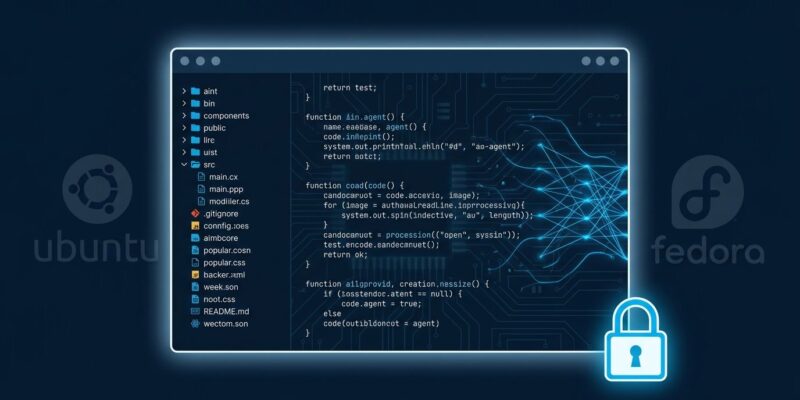
The Linux preview lands as native .deb and .rpm packages for x64 and ARM64. Supported distributions are Ubuntu 24.04 LTS, Ubuntu 26.04 LTS, Debian 13, Fedora 43, and Fedora 44. That’s the standard enterprise-desktop matrix — not the enthusiast one. Arch, openSUSE, and NixOS users are on their own for now.
The installer adds an OpenAI package repository so future updates arrive through apt or dnf alongside the rest of your system packages. Convenient — and worth noting for enterprise security teams who now have a third-party update channel installed by default on developer machines.
ChatGPT Work is bundled from day one. OpenAI has not disclosed enterprise licensing or pricing for the Linux version, which leaves IT procurement in an awkward spot.
What Codex Can Do on Linux
This is the part most coverage skips. Codex on Linux is a local agent that reads files, modifies code, and runs terminal commands inside a sandboxed environment. The sandbox on Linux uses bubblewrap, seccomp, and Landlock to enforce access at the kernel level — significantly more rigorous than the browser version.
Three built-in permission profiles control what the agent can touch:
:read-only— inspection only, no writes:workspace— read and write within your project directory;.codexdirectories stay locked:danger-full-access— no sandbox restrictions; treat this likesudo
You can go further with custom TOML profiles. The following config keeps Codex in your workspace while blocking access to secrets:
[permissions.project-edit.filesystem.":workspace_roots"]
"**/*.env" = "deny"
"**/.ssh/**" = "deny"

[permissions.project-edit.network]
enabled = true

[permissions.project-edit.network.allowed_hosts]
"api.yourservice.com" = "allow"
Network access is opt-in and off by default. Local and private IPs are blocked unless you explicitly allowlist them. If you run Docker, you can allowlist the socket path directly.
One breaking change landed in Codex CLI v0.147.0, released four days before the Linux launch: the --full-auto flag is gone. Any unattended pipeline using it will break. Replace it with --sandbox workspace-write plus the new --approve-for-me flag for automated approval routing. Check your CI scripts before upgrading.
What’s Still Rough
The app is Electron-based. At idle it consumes over 1 GB of RAM; in active use that climbs past 2 GB and leaks over time. On a 16 GB development machine running a full toolchain, that’s material.
Wayland support is incomplete. Fcitx5 IME for Korean and Japanese input is broken. Display scaling has reported issues too. X11 fallback is more stable for now.
The app is closed-source — a real friction point on Linux that OpenAI hasn’t addressed. Computer History, screenshot capture, “Work with” integration, and native computer-use are absent and have no disclosed timeline.
Should You Install It Now?
Install now if: your team runs ChatGPT Enterprise or Plus, you’re already using Codex in the browser, and you want a native client on your Ubuntu or Fedora workstation to run the agent against local repositories.
Wait if: you’re on Wayland with IME needs, you care about open-source tooling, you’re on a memory-constrained machine, or you want feature parity with the macOS version.
If you do install, configure a custom permission profile before running any agent task. Default to :workspace and explicitly deny sensitive paths. Treat the auto-update repository like any third-party apt source: audit it, pin a version if your environment requires it, and don’t assume silent updates are safe in regulated environments.
ChatGPT on Linux is not a Claude Code or Cursor replacement — it’s OpenAI establishing a foothold on a surface it ceded years ago. The Codex agent capabilities are real. The preview label is too.