Apple escalated enforcement of App Store Guideline 2.5.2 throughout March and April 2026, blocking updates to vibe coding apps like Replit and Vibecode before removing Anything from the store entirely—twice. The crackdown targets apps that let users build software through AI-powered natural language prompts, which Apple says violates its longstanding rule against downloading and executing code that changes app functionality after review. The timing isn’t coincidental: vibe coding drove an 84% surge in App Store submissions in Q1 2026, straining Apple’s review capacity while flooding the platform with AI-generated apps of questionable quality.
The Technical Violation: What Guideline 2.5.2 Prohibits
App Store Guideline 2.5.2 is blunt: apps “may not download, install, or execute code which introduces or changes features or functionality of the app.” The rule specifically bans code that passes arbitrary parameters to dynamic methods like dlopen(), dlsym(), and performSelector:—technical guardrails designed to prevent apps from morphing into something Apple never reviewed.
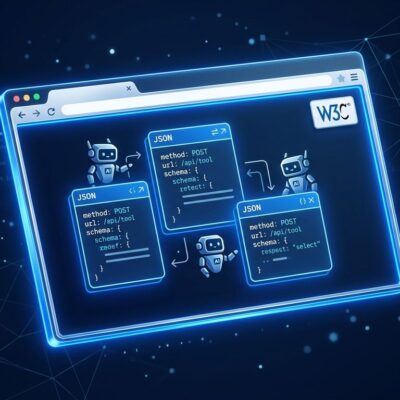
Vibe coding apps violate this by design. When a user prompts “create a todo app with categories,” the app sends this to a cloud-based LLM API, receives generated HTML/CSS/JavaScript, downloads it to the device, and executes it within an embedded web view. Each generated app is new, unreviewed functionality. Apple can’t audit what code will be generated after approval—the app effectively has infinite potential behavior post-review.
An Apple spokesperson told The Information the company “is not targeting vibe coding as a category but rather enforcing guidelines that prevent apps from changing their behaviour after review.” The distinction is meaningless in practice: the defining capability of vibe coding apps—generating and running new code on demand—is precisely what the guideline prohibits.
The Approved Workaround: External Browser Previews
Apple signaled it will approve vibe coding apps if they open generated code in external browsers rather than executing it within embedded web views. The architectural shift keeps the host app “self-contained” as 2.5.2 requires, since Safari handles all code execution separately.
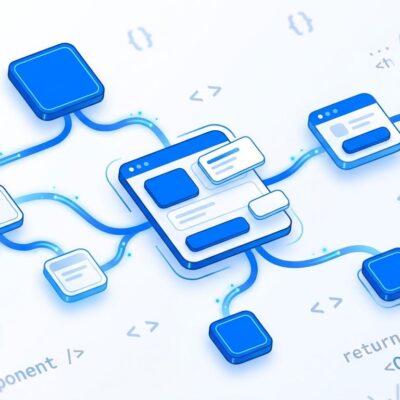
The before-and-after flow shows how severely this degrades the experience. Previously: user prompt → LLM generates code → code downloads to iOS app → embedded WKWebView executes code → user sees result in-app. The new compliant version: user prompt → LLM generates code → code saves to cloud → app opens Safari with hosted URL → user sees result in external browser.
Replit received signals from App Review that this approach would likely be approved. Vibecode was told to combine external browser previews with removing iOS-specific app generation features entirely. The workaround works, but at a cost. Context switching between the vibe coding app and Safari kills the seamless iteration cycle that makes vibe coding appealing. Offline preview becomes impossible. The feature that defines these apps becomes functionally broken.
Why Apple Cracked Down Now: The Submission Flood
The rule didn’t change—enforcement did. Guideline 2.5.2 has existed for years to prevent malicious code injection, but Apple mostly ignored developer tools until vibe coding’s explosive growth created operational chaos.
App Store submissions rose 84% in Q1 2026 as vibe coding went mainstream, according to The Information. Sensor Tower tracked a 56% year-over-year spike in iOS app launches in December 2025 and a 54.8% rise in January 2026—the highest growth rates in four years. The full-year 2025 total hit 557,000 new app submissions, the largest annual wave since 2016. Industry estimates suggest 40-50% of new apps in Q1 2026 were AI-generated.
This explosion of mostly low-quality, often duplicative apps didn’t just strain review capacity—it threatened the App Store’s carefully cultivated quality reputation. Apple’s motivation is part technical compliance, part quality control, part self-preservation. When vibe coding’s “anyone can build apps” promise started filling the store with auto-generated todo lists and calculator clones, enforcement became inevitable.
The Escalation Timeline: From Blocked Updates to Full Removal
March 18, 2026: Apple blocked updates to Replit and Vibecode, citing 2.5.2 violations. Both apps had been live for months with full functionality—Apple’s retroactive enforcement caught developers off guard.
March 26, 2026: Apple removed Anything from the App Store entirely, escalating beyond just blocking updates. The app, built by former Google and Meta engineers, marketed itself with “anyone can build apps now”—exactly the message that made Apple nervous.
April 3, 2026: Anything briefly returned after modifications, suggesting Apple and developers had found common ground. The reprieve lasted days.
April 14, 2026: Apple removed Anything again. The developers went public, accusing Apple of “shutting out a new generation of app creators through outdated app review guidelines.” They released a promotional video with the tagline: “Everyone can build apps now. Just not on iPhone.” The Android-first rebuild began immediately.
The aggressive timeline—from first blocks to full removal in under four weeks—signals Apple isn’t negotiating. Replit has 30+ million users globally. Vibecode and Anything have significant user bases. Apple removed them anyway.
Where to Vibe Code Now: Platform Alternatives
iOS vibe coding isn’t dead—it’s just crippled. Users wanting full functionality have clear migration paths, all of which abandon iOS as the primary platform.
Android has no equivalent to Guideline 2.5.2 for development tools. Google Play allows dynamic code execution, meaning Replit, Vibecode, and Anything can operate with zero restrictions on Android. The platform fragmentation is absurd: the same app runs full-featured on Android while being gutted or banned on iOS.
Web-based platforms bypass the App Store entirely. Vibe coding tools like Vercel’s v0.dev generate React components in-browser. Bolt.new creates full-stack apps without any mobile app. Replit’s web editor works perfectly in Safari on iOS—just not through a native app. Progressive Web Apps (PWAs) deliver near-native experiences while avoiding Apple’s restrictions completely.
Desktop IDEs with AI assistance remain unaffected. Cursor, Windsurf, and VS Code with GitHub Copilot offer superior vibe coding experiences anyway—mobile was always a convenience play, not the primary workflow. For serious development, desktop never had the restrictions mobile imposed.
The irony is sharp: Apple markets “everyone can code” through Swift Playgrounds, which gets an educational exception to execute dynamic code. But third-party tools helping non-programmers actually build apps? Blocked. The inconsistency isn’t lost on developers.
Key Takeaways
- Guideline 2.5.2 prohibits downloading and executing code that changes app functionality—the rule isn’t new, just newly enforced
- Vibe coding’s explosive growth (84% submission surge) triggered Apple’s crackdown, combining technical compliance with quality control concerns
- The external browser workaround lets developers stay on iOS but severely degrades user experience through context switching and no offline previews
- Android and web platforms have no equivalent restrictions, making them the obvious choice for full-featured vibe coding
- iOS is becoming a preview-only secondary platform for AI coding tools, not a primary development environment