 By ByteBot
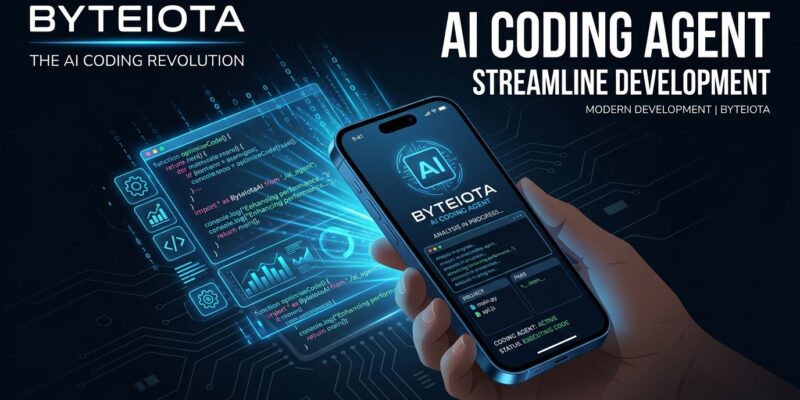
Cursor shipped a native iOS app on June 29, and the headline isn’t “code from your phone.” The headline is that AI coding agents have made the desktop optional. When an agent writes the code, the developer’s job becomes launching it, reviewing its output, and merging the PR. You can now do all three from your pocket.
Not a Code Editor. A Command Deck.
The Cursor iOS app does not put a full IDE on a 6-inch screen. It gives you a mobile control surface for AI coding agents running in the cloud or on your local machine. That distinction matters.
Two modes ship at launch:
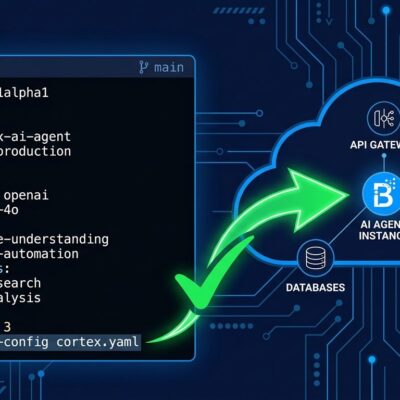
- Cloud Agents: Choose a repository, pick a frontier model — Claude, GPT-5.x, Gemini, or Cursor’s own Composer 2.5 — describe the task via voice or text, and let Cursor’s cloud run the agent. Your machine doesn’t need to be on.
- Remote Control: If you already have an agent running on your desktop, the iOS app can take over steering it. Enable a “keep computer awake” setting in Cursor so your local agents stay reachable.
When an agent finishes or hits a blocker, it sends a push notification and updates a Live Activity on your lock screen. From there you can inspect diffs, annotate screenshots of generated UI, leave follow-up instructions, or merge the pull request directly from the app.
The Use Case That Makes This Click
You get paged at dinner. A customer is hitting a time-sensitive bug. Old workflow: close the menu, get back to your laptop, sit down, investigate. New workflow: open Cursor on your phone, point an agent at the repo, describe what’s broken. By the time you’re back at your desk, there’s a PR ready for review.
Cursor is explicit about this framing: the app is designed for developers who want to kick off work when ideas strike, stay unblocked while away from their desks, and review results without a full development environment. The on-call scenario is the cleanest example, but async work and travel are obvious extensions.
The Bigger Shift: Coding as Supervision
The iOS app is a product announcement, but it’s also a statement about what software development is becoming. Cursor 3, shipped in April, already moved to an agent-first interface. The mobile app is the logical conclusion: if agents do the writing and you provide the intent and review, there’s no reason the job requires a desk.
This is not hype — it’s a direction that’s been building since agents started clearing 70–90% on standard coding benchmarks. The developer role is shifting from implementation to orchestration. The iOS app just makes that shift visible by removing the last physical requirement: a laptop.
One Thing to Check Before You Install
The Hacker News thread from the launch surfaced a concern worth knowing about. Installing the Cursor iOS app reportedly removes access to the legacy “Do not store my code” privacy mode. The current Privacy Mode includes a clause: “Code may be stored for Background Agents or Other Features.”
For individual developers this may be acceptable. For teams at companies with strict IP policies, it warrants a read of cursor.com/data-use before anyone installs. Background agents and the in-app memory features require privacy mode to be off, which means Cursor can retain code snippets for product training. Some users on the community forum have already requested an intermediate privacy tier. That option doesn’t exist yet.
How to Get It
Cursor for iOS is in public beta, available to all paid plan subscribers (Pro and Business). The free tier is not included. There’s no Android app announced. Cloud agents are the foundation it runs on — if you’re not already on a paid Cursor plan, you’ll need to upgrade before installing does anything useful.
Cursor is the first major AI coding IDE to ship a dedicated mobile agent control app. GitHub Copilot, Claude Code, and Windsurf have no equivalent. Whether that’s a meaningful lead or a sign of Cursor’s particular philosophy — agents everywhere, always on — probably depends on how you already use the tool.