 By ByteBot
Microsoft Just Cut Xbox PC Update Sizes by 94%
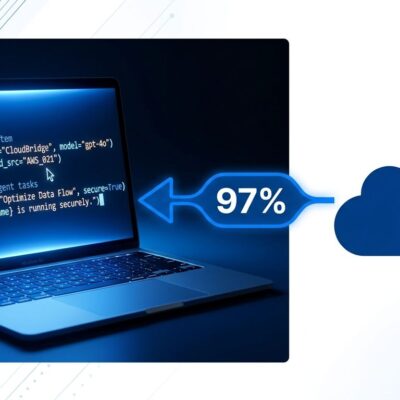
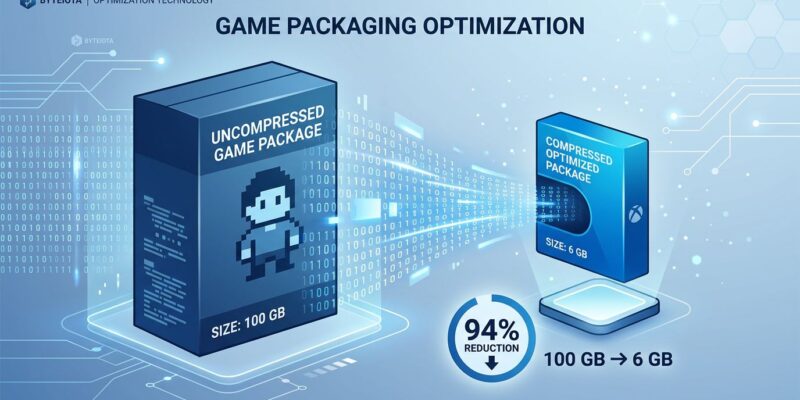
Microsoft’s April 2026 Game Development Kit release introduces MSIXVC2, a next-generation PC game packaging format that slashes update sizes by 64-94% and speeds packaging workflows by 2-8x. For studios pushing live service games with weekly content drops or emergency hotfixes, this addresses two critical pain points: bloated downloads that frustrate players and slow packaging cycles that delay releases.
MSIXVC2 is currently in preview, with general availability targeted for October 2026. You can test it now if you’re on the latest GDK, but certification blocks public submissions until the GA release. Don’t try to ship games with it yet.
Why Xbox PC Packaging Needed This
Modern AAA games face a download crisis. A single patch can hit 50GB+ even when the actual code changes are minor. Players on metered connections or slow internet suffer through hours of downloads. Developers waste bandwidth — and CDN money — shipping redundant data because the legacy MSIXVC format can’t do better delta compression.
Packaging workflows weren’t much better. Building a AAA game package with the old tooling could take 8 hours. That’s a full workday to create a build. Want to push a Friday afternoon hotfix? Good luck making your evening plans.
Then there’s the deployment complexity. Legacy MSIXVC required separate packaging and upload steps. More commands mean more room for human error and more fragile CI/CD pipelines. Microsoft heard the complaints.
What MSIXVC2 Actually Delivers
The numbers are real. Updates shrink by 64-94% compared to legacy MSIXVC. A typical 50GB patch for an open-world RPG becomes 3-18GB. Players download less. Studios pay less for bandwidth. Everyone wins.
Packaging speed jumps by 2-8x. That 8-hour build cycle? Now 1-4 hours for the same game. Deploy hotfixes faster. Iterate on content without waiting overnight for builds to finish.
Base packages also get smaller, though Microsoft hasn’t published exact ratios. The technical improvements enabling this are straightforward: built-in compression that automatically adapts to file types, per-version encryption for better security, and delta optimizations using stable encryption keys.
Here’s the workflow comparison:
| Metric | MSIXVC (Legacy) | MSIXVC2 (New) | Improvement |
|---|---|---|---|
| Update Size | 50GB (example) | 3-18GB | 64-94% smaller |
| Packaging Time | 8 hours (AAA game) | 1-4 hours | 2-8x faster |
| Workflow Steps | Package, then upload | One command | Simplified |
The unified workflow is the underrated win. One command packages AND uploads to Partner Center:
makepkg2 upload /d <content_directory> /branch "<BranchName>" /msixvc2No separate steps. No babysitting multi-stage deploys. If you’re running this in CI, it’s one fewer place for things to break at 3 AM.
Getting Started with MSIXVC2
First, you need the April 2026 GDK or later. If you’re still on an older release, upgrade first. Microsoft’s official release notes have the download links and installation guide.
Update your MicrosoftGame.config file with proper identity settings. The format hasn’t changed much from legacy MSIXVC, but double-check the packaging documentation to make sure you’re not carrying over deprecated settings.
Generate your layout file:
MakePkg genmapThis creates the layout.xml that maps your game files for packaging. Then run the unified upload command:
makepkg2 upload /d <content_directory> /branch "<BranchName>" /msixvc2If you prefer GUI tools or want to integrate with existing pipelines, Microsoft also provides the Xbox Game Package Manager on GitHub as an alternative upload method.
Preview Now, Ship in October
Here’s the critical timeline. MSIXVC2 is in preview right now. You can build packages. You can test workflows. You can measure how much faster your builds run and how much smaller your updates become.
What you cannot do is ship games to the public. Microsoft’s certification tests will block MSIXVC2 submissions until general availability. The company’s guidance is explicit: “We recommend not using this new packaging format in production.”
GA is targeted for the October 2026 GDK release. That’s when certification blocks lift and you can migrate production titles. Use the next six months to test your build pipelines, train your teams, and plan the migration. If you’re running live service games with frequent updates, start measuring the real-world benefits now so you’re ready to flip the switch in Q4.
Who Should Start Testing
Live service game teams will benefit most. If you’re pushing weekly content updates or seasonal battle passes, smaller patches mean happier players and lower CDN costs. AAA studios with large game files will see the biggest packaging time savings — those 8-hour builds dropping to 1-4 hours compound across every QA iteration.
Indie developers in the ID@Xbox program should pay attention too. Faster iteration cycles help small teams move quicker. And if you’re already fighting storage constraints during development, smaller packages ease that pressure.
This is part of Microsoft’s broader push to improve PC game development. The April 2026 GDK also includes Visual Studio 2026 support and a preview of native ARM64 build libraries. VideoCardz has a good overview of the full release if you want the complete picture.
Key Takeaways
MSIXVC2 is a genuine developer experience improvement, not hype. The numbers — 64-94% smaller updates, 2-8x faster packaging, one-command workflows — solve real pain points that studios have complained about for years.
Start testing now if you’re on the April 2026 GDK. Measure your packaging time improvements. Check how much your update sizes shrink. Plan your migration timeline for after October when GA hits.
This isn’t revolutionary. It’s evolutionary. But sometimes evolution is exactly what developer tooling needs. Smaller updates, faster builds, simpler deploys. That’s a win.