 By ByteBot
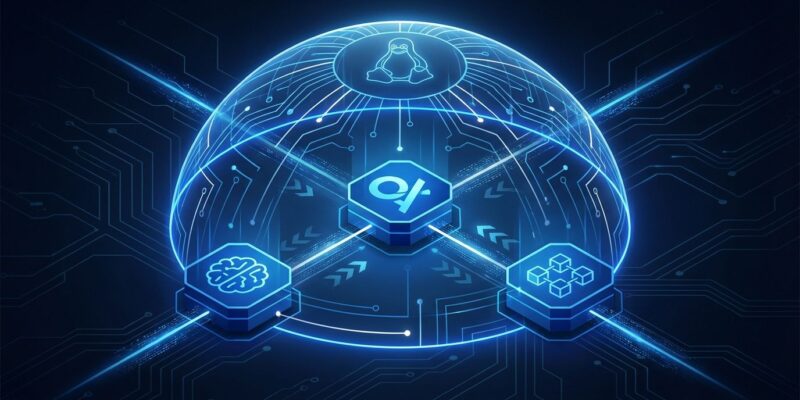
On December 9, 2025, three AI giants who normally compete for market dominance did something unusual: they joined forces. The Linux Foundation launched the Agentic AI Foundation (AAIF), backed by Anthropic, OpenAI, and Block, with eight platinum members including Google, Microsoft, and AWS. Each founding company donated a major project – Anthropic’s Model Context Protocol (MCP), Block’s goose, and OpenAI’s AGENTS.md – to create open standards for AI agent development.
Three Projects, One Goal
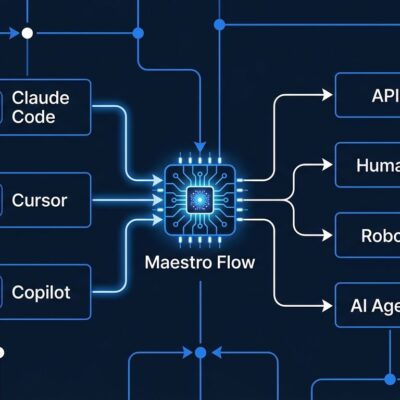
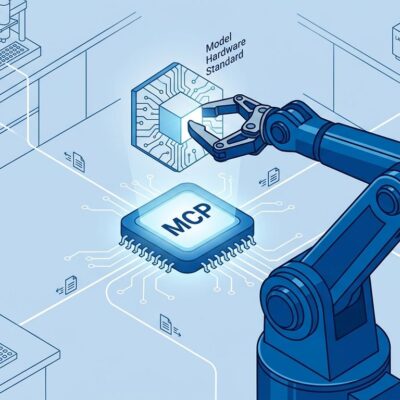
The foundation anchors around three distinct projects, each solving a different layer of the AI agent stack. MCP, Anthropic’s universal protocol for connecting AI models to tools and data, already has 97 million monthly SDK downloads and 10,000 active servers. It’s been adopted by Claude, ChatGPT, Cursor, VS Code, GitHub Copilot, and Gemini. Organizations using MCP report 30% reductions in development overhead and 50-75% time savings.
Block’s goose is an open-source AI agent framework that runs locally and works with any LLM. Unlike tools that just suggest code, goose executes tasks autonomously – it reads files, runs tests, installs dependencies, and handles real development work. Thousands of Block employees use it daily.
OpenAI contributed AGENTS.md, a simple Markdown standard that gives AI coding agents project-specific guidance. It’s been adopted by 60,000 open-source projects and works across Codex, Cursor, GitHub Copilot, and 10+ platforms.
Why Are Competitors Collaborating?
Anthropic and OpenAI are locked in an AI arms race, yet they’re donating core technology to a neutral foundation. The answer is strategic, not altruistic. Open standards expand the total addressable market. Enterprise customers won’t build on proprietary platforms controlled by a single vendor – they demand vendor neutrality.
Manik Surtani, Head of Open Source at Block, framed it directly: “The technology that will define the next decade can either remain closed and proprietary for the benefit of few, or be driven by open standards for the benefit of all.”
There’s also defensive positioning. Better to co-create the standard than let someone else control it. And timing matters – 2025 has been the “year of industrialization” for AI, the moment agents moved from lab experiments to production systems. Standardization becomes critical at this inflection point.
What This Means for Developers
Before AAIF, building AI agents meant custom integration work for every platform. Vendor lock-in wasn’t a risk, it was inevitable. After AAIF, the friction drops dramatically. Use MCP servers – there are 10,000 to choose from. Write one AGENTS.md file that works across platforms. Early adopters report 40-60% reductions in integration costs.
This isn’t theoretical. Salesforce is adding MCP support to Agentforce, OpenAI integrated it into ChatGPT desktop, and Google DeepMind committed to support. Enterprise vendors like Cisco, MongoDB, Cloudflare, and PayPal are all integrating.
The Corporate Backing
Eight companies signed on as platinum members at launch: Amazon Web Services, Anthropic, Block, Bloomberg, Cloudflare, Google, Microsoft, and OpenAI. JetBrains joined the same day. This level of backing signals real commitment, not vaporware. Google stated they’re backing AAIF to “build a system where developers can trust that what they build is interoperable.”
Is This Genuine or Strategic Theater?
The skeptical take is easy to make. OpenAI runs a proprietary Agents SDK while donating AGENTS.md to an open foundation. Is this defensive positioning disguised as collaboration? Maybe. But the evidence suggests it doesn’t matter. Adoption metrics are real: 60,000 projects using AGENTS.md, 97 million monthly MCP downloads, thousands of daily goose users at Block.
Whether the motivation is genuine altruism or strategic self-interest, the outcome is the same: developers get interoperable standards instead of vendor lock-in. We’ll take that win.
What Happens Next
AI agents are moving from experimental tools to critical infrastructure. If AAIF succeeds, we get an open ecosystem like the early web. If it fails, we get walled gardens controlled by whoever wins the AI race. The foundation has momentum – strong adoption, corporate backing, and real-world usage. But 2026 will be the real test.
For now, developers have a choice: build on open standards that work everywhere, or bet on a single vendor’s ecosystem. The smart money is on standards. They’ve won before, and they’ll likely win again.