 By ByteBot
OpenAI launched GPT Image 1.5 on December 16, 2025, targeting enterprise workflows with 4x faster generation and iterative editing capabilities. Launch partners Canva (230 million users), Figma, and Wix are integrating the model directly into their design tools. But the speed improvement isn’t the story. The real innovation is editing preservation—keeping lighting, composition, and branded logos consistent across iterations without starting from scratch.
Editing Preservation Matters More Than Speed
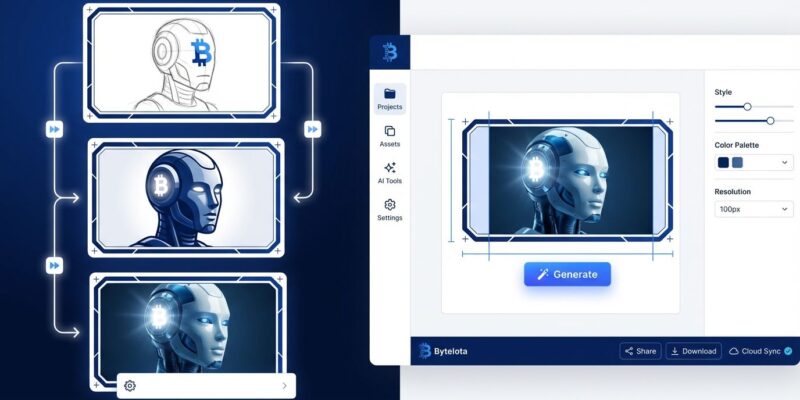
The “4x faster” headline misses the point. GPT Image 1.5’s differentiator is iterative editing that maintains visual consistency. Marketing teams can adjust branded assets without losing the lighting, composition, or logo placement that took three rounds to get right. E-commerce teams can generate full product catalogs from a single source image while keeping the visual identity intact.
This eliminates the “start from scratch” problem that plagues Midjourney. When you need to change one element in a Midjourney image, you regenerate and hope. With GPT Image 1.5, you edit and preserve. For enterprise workflows where brand consistency isn’t optional, that’s the difference between usable and unusable.
The model also renders text reliably—small, dense text that previous versions mangled. Mockups with UI text, product labels, or infographics actually work now. Midjourney still can’t do this consistently.
This Is a Distribution Play, Not a Quality Play
GPT Image 1.5 isn’t competing with Midjourney on aesthetic quality. It’s competing on integration. Canva’s 230 million users now have access through Canva AI and Magic Studio. Figma users can generate and edit images directly in Figma Design—adjust styles, add objects, expand backgrounds—without leaving their workflow.
Adobe, Wix, Airtable, GoDaddy, HubSpot, and Instacart are all experimenting with or already using the model. In the first week alone, 130 million ChatGPT users created over 700 million images. This isn’t about building a better standalone tool. This is about owning the enterprise workflow layer.
OpenAI’s bet is that distribution beats perfection. If GPT Image 1.5 is “good enough” and already embedded in the tools enterprises use daily, it doesn’t need to be “the best.” It just needs to be there.
Artists vs. Collaborators: Different Use Cases
The 2025 AI image generation market splits into two camps: Artists and Collaborators.
Midjourney v7 is an Artist. It produces the best aesthetic quality, detailed textures, and crafted lighting. It’s the reference for artistic work. But it can’t reliably render text, struggles with precise instructions, and offers limited technical control.
GPT Image 1.5 is a Collaborator. It excels at following complex instructions, rendering text accurately, and integrating into language models. For practical enterprise work—marketing assets, product mockups, UI designs—it’s now more useful than Midjourney.
The smart play isn’t picking one. It’s knowing when to use which. Need a stunning hero image for a campaign? Midjourney. Need 50 product variations with consistent branding and readable labels? GPT Image 1.5.
The Copyright Problem No One Talks About
AI-generated works aren’t protected by copyright in the US. The training data for these models likely includes copyrighted material scraped without licensing. For enterprises, this isn’t a theoretical concern—it’s a legal liability.
OpenAI, Microsoft, and Google now offer indemnification to enterprise customers if they get sued for copyright infringement. But indemnification is a band-aid, not a solution. It means “we’ll defend you in court” not “this is legally sound.”
The alternative is licensed training data. Adobe Firefly trains exclusively on Adobe Stock images and public domain content. No scraped copyrighted material, no legal gray area. Getty Images and Shutterstock have similar models. These approaches sacrifice some quality and flexibility, but they offer legal clarity.
If you’re an enterprise making this decision, ask whether vendor indemnification is enough or if you need the certainty of licensed training data. The legal landscape is in flux. Courts could require licensing agreements with content creators, which would reshape AI business models overnight.
Cost and API Access
GPT Image 1.5 is 20% cheaper for inputs and outputs compared to GPT Image 1 in the API. The model is available as gpt-image-1.5 for developers building custom workflows. Cost efficiency allows more iteration within the same budget, which matters when you’re generating hundreds or thousands of assets.
But total cost depends on volume and quality settings. Enterprises care about total cost of ownership, not per-image pricing. The real ROI comes from reduced iteration time—fewer rounds to get assets right because editing preserves consistency.
Workflows Over Standalone Quality
GPT Image 1.5 isn’t a better version of Midjourney. It’s a different product for a different use case. The 4x speed improvement is marketing. The editing preservation is engineering. The Canva/Figma/Wix integration is strategy.
OpenAI is betting that owning the enterprise workflow layer matters more than winning standalone quality comparisons. If you’re already in Figma designing a landing page, generating an image without switching tools is worth a 10% quality tradeoff. If you’re generating 100 product images and need brand consistency, reliable editing beats artistic flair.
The question isn’t whether GPT Image 1.5 is “better.” It’s whether it solves the problems enterprises actually have. For many workflows, it does.