 By
By Spring Framework 7.0.2 shipped on December 11, 2025, alongside coordinated releases of Spring AI 2.0.0-M1, Spring Security 7.0.2, and Spring for GraphQL 2.0.1. This marks the first major maintenance cycle for the Spring Boot 4.0 / Framework 7.0 generation launched one month earlier. While Node.js developers play dependency whack-a-mole, Spring’s release train demonstrates what two decades of enterprise discipline looks like.
Ecosystem Coordination as Competitive Advantage
The December 11-16 release window wasn’t coincidence—it’s release train coordination. Framework 7.0.2 ships with Boot 4.0.1, delivering 74 fixes and documentation improvements. Spring AI 2.0.0-M1 was architected explicitly for Boot 4.0 + Framework 7.0 + Jakarta EE 11. GraphQL 2.0.1 timed its 9 fixes to ship with Boot 4.0.1. Spring Security released 7.0.1 and 7.0.2 back-to-back on December 15—same-day bug fix cycles demonstrate responsiveness, not instability.
This coordination extends across the entire Spring portfolio: Cloud 2025.1.0, Data 2025.1.1.0, Integration 7.0, Batch 6.0, Session 4.0.0, Kafka 4.0, all aligned to the Framework 7.0 baseline. The Spring Boot Bill of Materials manages these dependencies automatically. Compare this to npm’s “dependency fatigue”—the registry dwarfs Maven Central in package count, but quantity doesn’t equal quality. Enterprises choose Spring for predictability over chaos.
Spring AI 2.0: Enterprise AI Comes to Java
Spring AI 2.0.0-M1, the first milestone of the 2.x series, brings production-ready AI capabilities to the Spring ecosystem. Released December 11 and available from Maven Central, it includes 24 new features and 25 bug fixes across 90 commits.
Model integrations span the major players: Claude 4.5 (Opus and Haiku variants), GPT-5-mini (now the default OpenAI model), Google Gemini with ThinkingLevel support for extended reasoning, and Vertex AI Gemini with safety ratings in response metadata. New capabilities include ISNULL/ISNOTNULL filter expressions for vector stores and extensible ToolCallAdvisor with hook methods for custom tool calling behavior.
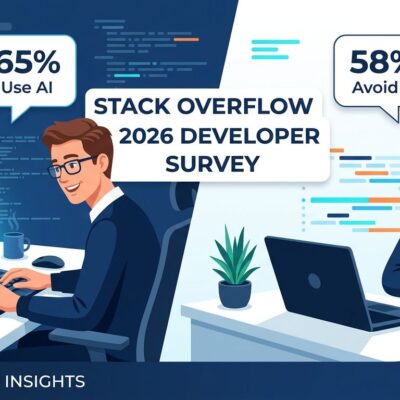
This matters because 88% of Java developers already use AI tools—52% use ChatGPT, 42% use GitHub Copilot—but Spring AI makes production deployment enterprise-ready. Built on Spring Boot 4.0 + Framework 7.0 + Jakarta EE 11, it integrates natively with Spring Security, Spring Data, and Spring Cloud. While Embabel, Koog, and LangChain4j compete in the JVM AI space, Spring AI’s official ecosystem integration matters for enterprises managing security, compliance, and long-term support.
Breaking changes: default temperature configuration removed (you must configure explicitly), default OpenAI model changed to gpt-5-mini, and Java 21+ required for building from source (Java 17 remains the baseline for consuming binaries).
Framework 7.0.2 Stability and Rapid Security Response
Framework 7.0.2’s 74 fixes arrived 30 days after the November 13 GA release—this is the iteration velocity enterprises need. The release incorporates early adopter feedback, refines Jakarta EE 11 stability, and improves Java 25 LTS support. It ships with Spring Boot 4.0.1 and provides production-ready stability for organizations evaluating the new generation.
Spring Security’s same-day 7.0.1 → 7.0.2 fix cycle on December 15 demonstrates what enterprise security looks like: active monitoring, rapid response, zero tolerance for critical bugs. This isn’t instability—it’s the responsiveness that comes from a dedicated team and commercial backing.
Migration Reality: Jakarta EE 11 Required, But Don’t Rush
Spring Boot 4.0 requires Jakarta EE 11—no exceptions. That means Java 17 minimum (21 recommended, 25 supported), jakarta.* namespaces only (no javax.*), and breaking changes including dropped Undertow support, Jackson 3.x package relocations, and removal of all Spring Boot 3.x deprecated APIs.
But here’s the truth: Spring Boot 3.5 receives free releases until June 2026 and paid support until June 2032. You have six years of runway. Don’t let FOMO drive your migration timeline. Spring’s LTS strategy gives enterprises breathing room to migrate properly, not pressure to chase the latest release before it’s production-proven.
The migration path is straightforward: upgrade to Java 17+ and Spring Boot 3.3.5, fix deprecations, check for javax.* dependencies with ./mvnw dependency:tree | grep javax, replace javax with jakarta (IDE-assisted), update drivers and starters, then upgrade to Boot 4.0 when your organization is ready.
What This Demonstrates
Spring Framework 7.0.2, Spring AI 2.0.0-M1, Spring Security 7.0.2, and Spring for GraphQL 2.0.1 aren’t isolated updates—they’re a coordinated release train from an ecosystem with 20 years of enterprise experience. While 68% of applications run on Java/JVM and 99% of organizations use Java, the Spring ecosystem’s maturity shows why: predictable releases, dependency management, rapid security response, and LTS support that gives enterprises time to migrate correctly.
The Jakarta EE vs Spring adoption debate (58% vs 56% in one contested survey) misses the point—both frameworks thrive in different segments, and many projects use both. What matters is ecosystem coordination. When 15+ Spring projects ship coordinated releases aligned to a single baseline within a five-day window, that’s not coincidence. That’s world-class release discipline.