 By
By OpenAI launched GPT-Live-1 on July 8 — a voice model that listens and speaks simultaneously. That alone puts it in a different category from Advanced Voice Mode, which waited for silence before responding. The more interesting part is the two-layer architecture underneath it: a lean interaction model that keeps conversation flowing continuously, with a delegation layer that silently hands complex tasks off to GPT-5.5 in the background. If you’re a developer building voice agents, you can’t use GPT-Live yet — it’s consumer-only for now — but the architectural pattern is worth understanding today.
What Full-Duplex Actually Means
The original ChatGPT voice in 2023 was a three-model pipeline: Whisper transcribed your speech, GPT-4 generated a response, a TTS engine read it back. Slow and clunky. Advanced Voice Mode in 2024 collapsed that into an audio-native model — it processed speech directly and handled interruptions, but it was still turn-based: the model waited for you to finish before it started responding.
GPT-Live-1 changes the fundamental loop. The model processes incoming audio and generates outgoing audio at the same time, making decisions many times per second about whether to speak, listen, pause, or interrupt. It can backchannel (“mhmm,” “got it”) while you’re still talking. It doesn’t misfire when you pause mid-thought, because it uses multi-signal turn detection instead of silence-based triggers.
The benchmark that makes this concrete: on BrowseComp, Advanced Voice Mode scored 0.7%. GPT-Live-1 scores 75.2%. That jump isn’t because GPT-Live-1 is a smarter model in isolation — it’s because the architecture now allows it to delegate web search to GPT-5.5 while keeping the conversation alive.
The Delegation Layer
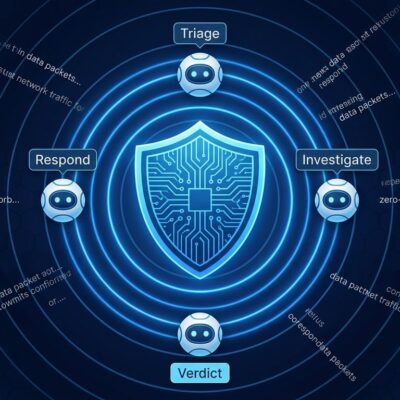
GPT-Live-1 runs as two systems. The continuous interaction layer manages the conversation: it handles your voice, maintains turn flow, signals engagement, and keeps things natural. The delegation layer is what happens when a question needs reasoning or web search — GPT-Live quietly sends the task to GPT-5.5 running in the background, continues talking while it waits, and incorporates the result when it arrives. You never notice the handoff.
This is not just a UX trick. It reflects a deliberate architectural bet: voice interaction models should be optimized for latency and naturalness, not general-purpose intelligence. The intelligence lives in the back-end model. The voice layer is a specialized front-end. That separation of concerns is the right pattern for voice agent architecture — even if you’re building with cascaded pipelines today.
What Developers Should Use Right Now
GPT-Live-1 is not available in the API. It’s ChatGPT-only on iOS, Android, and ChatGPT.com. OpenAI has a developer sign-up form for notification when it lands, but no timeline has been confirmed.
What is available is GPT-Realtime-2.1, released July 6 — two days before GPT-Live. It’s the current production answer for developer voice apps, with improved alphanumeric recognition, better silence and noise handling, and a 25% drop in p95 latency compared to GPT-Realtime-2. The mini variant adds reasoning and tool use at the same price:
- Text input: $0.60 per million tokens
- Text output: $2.40 per million tokens
- Audio input: $32 per million tokens
- Audio output: $64 per million tokens
Reasoning effort is configurable from minimal to xhigh. Low is the default — fast enough for most conversational turns. Push it higher for queries where accuracy matters more than speed.
What This Signals for Voice Agent Builders
Three generations of ChatGPT voice in three years tells you where this is going. The pipeline collapsed into an audio-native model. The audio-native model is now splitting into a conversation specialist and an intelligence specialist. The full-duplex, delegation-based architecture is where production voice AI is heading — for OpenAI and, eventually, for the ecosystem.
The practical implication for voice agent developers: don’t build your reasoning and your conversational turn management into the same layer. Even in a cascaded pipeline — a fast model for conversation management, a frontier model for complex tasks — the separation makes your system cheaper and more responsive. GPT-Live-1 is the productized version of that pattern.
Two variants shipped: GPT-Live-1 for paid ChatGPT tiers (Go, Plus, Pro) and GPT-Live-1 mini for the free tier — same full-duplex architecture, different capability ceiling. Both replace Advanced Voice Mode automatically. The consumer experience is a preview of what the API will eventually deliver. OpenAI’s full launch post covers the technical details. The architecture lesson, however, is available now — no API access required.
For broader context on the voice API landscape, TechCrunch’s coverage of the GPT-Live launch is a solid read alongside OpenAI’s announcement.