 By ByteBot
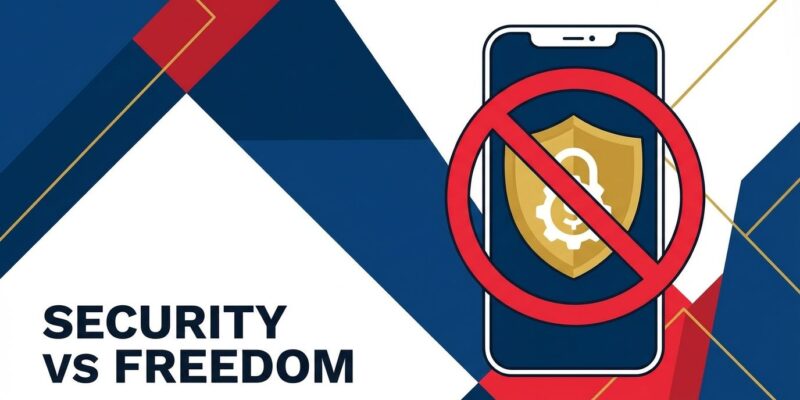
Vietnam’s State Bank (NHNN) issued Circular 77/2025/TT-NHNN, which takes effect March 1, 2026, mandating that all mobile banking applications must automatically exit and refuse to run on rooted or jailbroken devices, devices with unlocked bootloaders, or any device with debuggers or emulators detected. This regulation aims to combat banking fraud involving AI deepfakes and virtual cameras that bypass biometric authentication—a threat that cost Vietnam VND 1.2 trillion ($48 million) in 2024, representing a 150% year-over-year surge. The policy has ignited intense debate on Hacker News with 279 points and 333 comments, revealing a deeply divided developer community: Is this necessary security protection or government overreach punishing legitimate users?
The Security Case: Why Vietnam Did This
Vietnam’s banking fraud crisis is real and accelerating. In June 2025, authorities dismantled a 14-person criminal ring that laundered VND 1 trillion ($38.4 million) using AI-generated face biometrics to bypass bank facial recognition systems. The criminals collected victims’ facial images from social media, used deepfake technology to create face copies, then deployed virtual cameras on rooted phones to inject these AI-generated videos into biometric authentication processes. With 86 million bank accounts at risk and fraud surging 150% year-over-year, regulators felt compelled to act.
The government’s logic follows a familiar pattern: rooted phones bypass Android’s security restrictions, enabling malware that can capture SMS OTPs, intercept transaction data, and manipulate banking apps more easily than unmodified devices. Banks face liability for certain types of fraud, so restricting rooted phones shifts risk to users who modify their devices. From this perspective, the regulation is simply protecting vulnerable users who lack the technical sophistication to recognize scams.
Why This Is Security Theater That Will Fail
Here’s the problem: root detection will not stop sophisticated criminals, and history proves it. XDA Forums published a working guide on December 31, 2025, titled “How to pass Strong Integrity AND bypass root detection apps” for banking applications, demonstrating that bypasses exist and are actively maintained. This isn’t new—root detection has failed for over a decade. Google’s SafetyNet was bypassed within months. Its replacement, Play Integrity API, suffered the same fate through tools like Magisk Hide, Shamiko, and PlayIntegrityFork. The pattern is clear: detection mechanisms get deployed, clever developers reverse-engineer them, bypasses emerge, and the cycle repeats.
Criminals will adapt through three trivial methods. First, they’ll simply purchase unrooted burner phones specifically for fraud—a $200-500 investment that’s negligible for organized crime laundering millions. Second, they’ll deploy existing bypass tools that the security researcher community maintains. Third, and most critically, deepfake attacks don’t actually require root access. Advanced attackers can play deepfake videos on screens in front of phone cameras during authentication, or inject video at the camera driver level using kernel exploits that work on unrooted devices. The regulation assumes criminals won’t adapt, which defies every historical precedent in the security arms race.
Gartner predicts that by 2026, 30% of enterprises will no longer consider biometric tools reliable by themselves. Vietnam is solving the wrong problem—the vulnerability is biometric authentication failing against AI-generated deepfakes, not rooted phones enabling the attacks.
The Collateral Damage: Punishing the Wrong People
The regulation’s most glaring failure is punishing security-conscious users who root their phones for legitimate reasons. Consider the GrapheneOS paradox: GrapheneOS is a hardened Android variant with a fortified memory allocator, hardened kernel, and stricter SELinux policies designed to resist Pegasus-like surveillance attacks. It’s objectively more secure than stock Android. However, GrapheneOS requires an unlocked bootloader for installation, so users choosing superior security get banned from banking as if they’re criminals.
LineageOS users face the same treatment. LineageOS supports over 200 devices and provides security updates for phones manufacturers have abandoned, extending device life and improving security beyond manufacturer support windows. These users are enhancing their security posture, yet the regulation treats them as threats. Developers testing applications, security researchers analyzing malware, and privacy advocates running system-wide ad blockers—all lose banking access for responsible device control.
As one highly upvoted Hacker News commenter noted: “Having root access to your computer being considered bad or risky or dangerous represents the greatest threat to computing. Users are now locked out of society for wanting device control.” The practical impact is forcing users to buy separate unrooted phones exclusively for banking, a $200-500 expense that sacrifices the core promise of mobile banking: convenience.
The precedent is dangerous. If governments can mandate what software runs on devices you own, where does control end? Today it’s root detection. Tomorrow it could be unapproved browsers, VPNs, or applications governments deem “risky.” This creates a model where users are considered adversaries on their own hardware.
Better Solutions Exist
Vietnam chose the wrong solution when superior alternatives exist that address the actual threat without punishing users. Hardware security keys using FIDO2/WebAuthn standards are phishing-resistant and deepfake-proof because they rely on cryptographic proof through public/private key pairs, not biometrics that AI can fake. Major organizations have already deployed them successfully—Discord issued YubiKeys to all employees in 2023, Cloudflare implemented FIDO2 in 2022, and institutions like Microsoft, Google, PayPal, and Bank of America rely on them. NIST, ENISA, and ANSSI all recognize FIDO as phishing-resistant. Critically, hardware keys work on any device, rooted or not, and defeat deepfakes by eliminating the attack surface entirely.
Behavioral fraud detection offers another proven approach. Machine learning systems analyze transaction patterns—location, timing, amounts, frequency—and flag anomalies regardless of device state. This is how credit card companies catch fraud, and it works equally well for banking apps. It doesn’t punish users, doesn’t require device restrictions, and catches fraud from any source, including the unrooted burner phones criminals will inevitably use.
Tiered optional security respects user autonomy while protecting those who need it. High-value accounts could opt into hardware keys and additional authentication layers. Standard accounts would use normal security with fraud monitoring. Users choose their risk-convenience trade-off rather than facing blanket mandatory restrictions. Combined with user education about phishing, SIM swaps, and social engineering—the root cause of most fraud—these approaches address the actual problem Vietnam faces.
The Line Between Protection and Control
Vietnam’s Circular 77/2025 represents government-mandated device control, creating a sharp contrast with the EU’s Digital Markets Act (DMA), which forces Apple to allow sideloading and prohibits gatekeepers from restricting user device control. Two philosophies are emerging: Asia’s “government knows best” approach versus the West’s “user autonomy” principle. Countries are choosing sides, creating a fragmented global landscape where your device rights depend on geography. Southeast Asian countries like Thailand, Philippines, and Indonesia are watching Vietnam’s experiment as a potential model.
The fundamental question is: When does “protecting users” become “controlling users”? Vietnam crossed that line by implementing security theater that will likely fail to stop criminals while creating massive collateral damage for developers, privacy advocates, and security-conscious individuals. Other countries considering similar policies should demand better solutions—FIDO2 hardware keys, behavioral fraud detection, tiered security options, and user education—that address the genuine deepfake threat without mandating what software citizens can run on devices they own.
Protecting users doesn’t require controlling their devices. Vietnam chose the wrong path. The rest of the world shouldn’t follow.