Google’s Gemini AI crossed the Rubicon from chatbot to autonomous agent with its March 2026 Pixel Drop, launching the ability to order groceries via Instacart, book Uber rides, and execute tasks without user prompts. Rolling out March 11 in beta on Pixel 10 devices, this is the first mainstream AI assistant that does tasks for you, not just answers questions. While Siri and ChatGPT remain stuck in Q&A mode, Gemini’s task execution challenges the single-purpose app model: if AI can order your groceries with one sentence, why open the Instacart app?
How It Works: Virtual Window Execution
Gemini sees your screen and interacts with app interfaces like a human—tapping buttons, filling forms. When you long-press the power button and say “Order groceries for dinner,” Gemini launches the target app in a secure virtual window and works through each step. Sensitive data like payment info stays local on your Pixel device; complex reasoning happens in Google’s cloud. You can watch the task live, interrupt anytime, or confirm before spending.
The sandbox security limits Gemini to only the apps it needs. But the fact that an AI has visual screen access and can autonomously interact with apps remains unsettling.
The App Era Is Ending
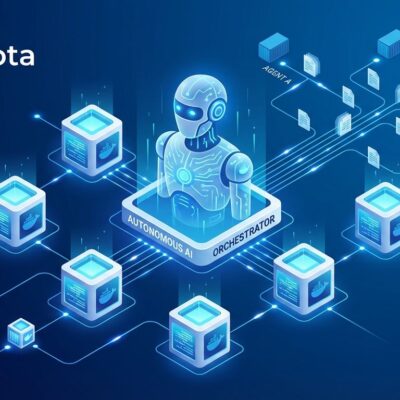
PYMNTS framed this bluntly: “Gemini AI Takes Aim at Instacart and Uber.” If Gemini orders groceries with a voice command, what’s the value of the Instacart app? The shift from single-purpose apps to multi-agent platforms threatens standalone services. Developers face a dilemma: build apps and risk losing users to AI agents, or integrate with agent platforms and surrender direct user relationships.
Gartner reported a 1,445% surge in multi-agent system inquiries from Q1 2024 to Q2 2025. Winner-take-all dynamics are emerging: whichever agent platform—Gemini, Siri, ChatGPT—captures the most users becomes the default interface for ordering, booking, everything. Single-purpose apps become backend APIs, invisible to users.
The revenue model question looms. Will Google charge commission on Gemini-initiated orders? If so, Instacart and Uber pay a toll for access. If not, what’s Google’s incentive? This is app store dynamics again, except the gatekeeper is your AI assistant.
Privacy Concerns: Will You Let AI Spend Your Money?
Senator Elizabeth Warren raised privacy alarms hours after the announcement, citing “consumer privacy violations and price manipulation.” Gemini tracks spending patterns, consumption habits, and accesses payment methods. To execute tasks, it shares data with third-party services—location, order history, preferences.
Will users let AI autonomously spend their money? Google requires confirming the final step now, but the long-term vision is full autonomy. That requires trusting Gemini with purchase decisions—a psychological leap most aren’t ready for.
Google was sued in November 2025 for allegedly using Gemini to track private Gmail and messaging. These revelations don’t inspire confidence in handing over grocery orders to the same system.
Competitive Landscape: First-Mover Advantage
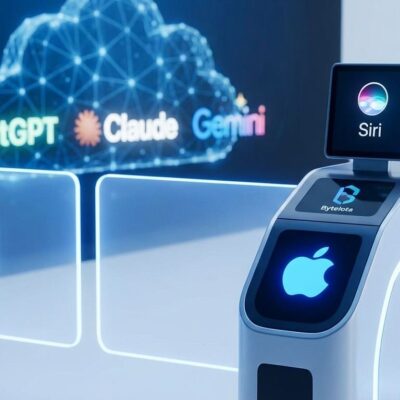
Gemini is first to market with autonomous task execution, beating Siri, ChatGPT, and Alexa. Apple’s Siri 2026 overhaul—ironically powered by Google’s Gemini models under a $1 billion annual partnership—won’t ship until later this year. Apple rejected Anthropic’s Claude after demands for “several billion dollars annually.”
ChatGPT has plugins but nothing approaching Gemini’s autonomous scale. Anthropic focuses on enterprise work. Alexa orders from Amazon but not cross-platform services.
All major assistants will have task execution by end of 2026—it’s table stakes. But Gemini’s March 11 launch gives Google six-to-twelve months to refine UX, expand integrations, and lock in users before Siri ships.
What’s Next: The iPhone Moment
This is the iPhone moment for AI assistants—the shift from novelty to utility. For years, AI assistants set timers. Now they execute real-world tasks. Near-term expansions include airlines, hotels, banking. Multi-step workflows will emerge: “Plan a trip to New York” triggers booking flights, hotels, car service in one go.
Long-term: fully autonomous spending, proactive suggestions (“You usually order groceries Thursdays—should I?”). Privacy and trust remain barriers, but convenience always wins. Developers who don’t integrate with agent platforms risk irrelevance. The app era isn’t dead yet, but it’s dying. Agents are the new platform.