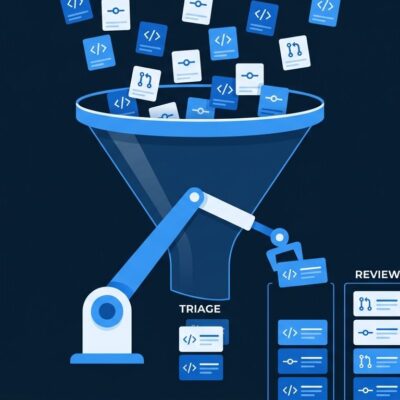
Atlassian announced agents in Jira on February 24, 2026, letting teams assign work to AI agents the same way they assign tasks to human teammates. Agents get Jira tickets, deadlines, and progress tracking—not as background automation, but as visible team members governed by existing permissions and audit trails. This solves “agent sprawl,” where AI work disappears into chat tools and disconnected platforms, making it invisible to project managers and security teams.
How Agents in Jira Actually Work
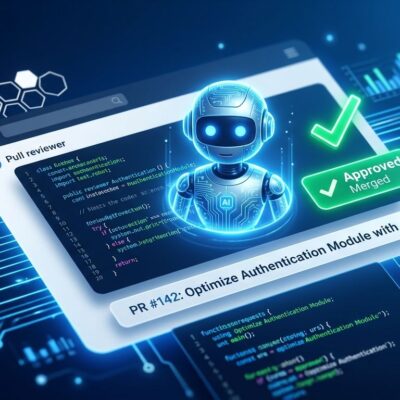
Jira’s agents operate in three modes. You can assign tickets directly to agents like you would a teammate. The agent appears in your team roster, gets assigned work, and updates the ticket when done. You can @mention agents in Jira comments for iterative collaboration—ask for summaries, research, or analysis, and the agent responds inline. Or you can embed agents into workflows so they automatically execute tasks when ticket status changes, like auto-generating a PR summary when a ticket moves to “Code Review.”
The critical difference from chatbots or copilots: agents respect Jira’s existing permission structures. An agent can only access what you can access. Junior developers’ agents can’t read restricted architecture docs. Service desk agents can’t see HR data outside their scope. Atlassian’s Teamwork Graph—what product head Sanchan Saxena calls “the institutional knowledge of a company”—powers this cross-platform intelligence while enforcing boundaries.
The Governance Bet (and Why It Matters)
Here’s the industry problem Atlassian is addressing: 75% of organizations admit AI governance hasn’t kept pace with adoption. Only 20% have mature governance models. Gartner predicts over 40% of agentic AI projects will fail by 2027 because companies are deploying agents faster than they can secure them. Teams face “agent sprawl”—AI doing work in Slack, ChatGPT, standalone tools, with no centralized visibility or audit trail.
Jira’s solution is governance-first. Agents inherit user permissions and never grant additional access. All agent actions are captured in work item history alongside human edits. Approval workflows require human sign-off for high-impact changes. Audit logs track every agent interaction. As Saxena put it: “The challenge is no longer convincing people to use agents… They need to figure out tracking, auditability, privacy and risk management.”
This matters because enterprises buying “AI agent” tools this year will regret the ones without built-in governance. The governance gap is creating competitive advantage for organizations solving it first, not moving fastest.
MCP Integration Opens the Ecosystem
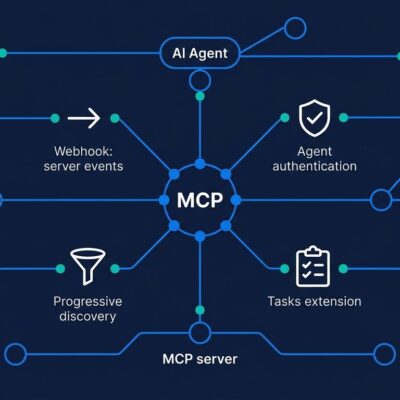
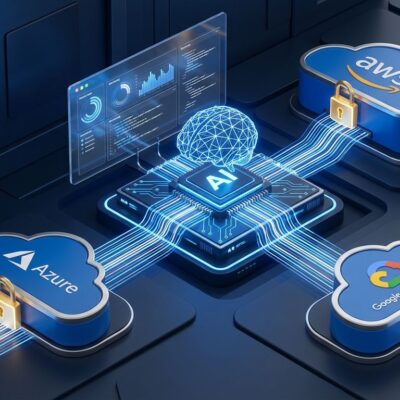
Atlassian is betting on the Model Context Protocol, an open standard introduced by Anthropic in November 2024 for connecting LLMs to external tools. Jira’s Rovo MCP Gallery lets you integrate third-party agents from GitHub, Figma, Box, Canva, Intercom, and more—not just Atlassian’s proprietary Rovo agents.
Usage data shows this isn’t vaporware: 93% of MCP usage comes from paid tier customers, roughly half from enterprise accounts, and 33% of MCP operations are write operations (creating or updating data, not just reading). The protocol supports Claude, Cursor, Google Gemini CLI, and other AI clients. This open ecosystem approach contrasts with vendors locking customers into proprietary AI platforms.
What This Actually Means
Service desk teams are already seeing results: Jira’s AI chat agent auto-resolves up to 60% of HR and IT requests, cutting hours from incident response. The open beta launched the week of February 25, affecting millions of Jira users globally as adoption scales from service desks to development teams.
But is this genuine workforce transformation or just better UX for workflow automation that’s existed for years? Atlassian’s framing—”agents as team members”—helps enterprise adoption by making AI less threatening. However, the real innovation isn’t the “agent” label; it’s permission inheritance, audit trails, and MCP’s open standards. Call it what you want, but the governance approach addresses a real industry gap that’s causing 75% of companies to lag their AI deployments.
Whether you see this as redefining teamwork or repackaging automation depends on your tolerance for marketing. What’s clear: enterprises need visibility and control over AI work, and Jira’s approach delivers both without requiring teams to abandon their existing project management infrastructure.