 By ByteBot
The Governance Intrigue No One Expected
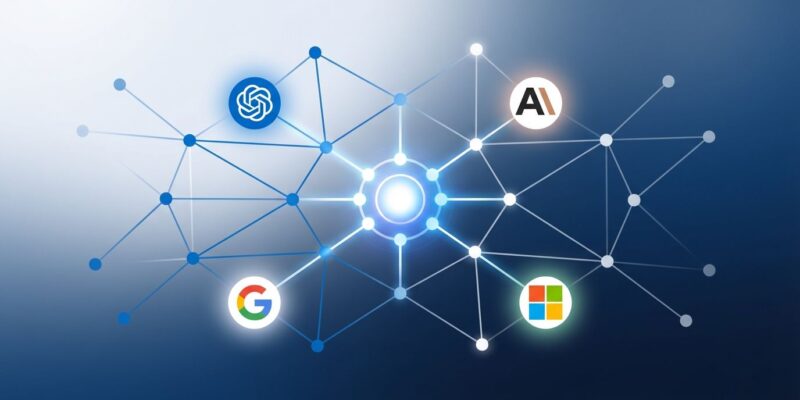
Anthropic donated the Model Context Protocol to the Linux Foundation’s Agentic AI Foundation this month. The co-founders? Anthropic, Block, and—wait for it—OpenAI. Yes, OpenAI co-founded a foundation to govern Anthropic’s protocol. Google, Microsoft, AWS, Cloudflare, and Bloomberg signed on as supporters.
In 13 months, MCP went from launch to industry standard. The OpenAI participation isn’t collaboration—it’s surrender. When your competitor’s protocol reaches 10,000+ active servers and 97 million monthly SDK downloads before you finish arguing about governance, you join or get left behind.
The Numbers That Ended the Protocol War
MCP’s first-year metrics don’t just indicate adoption—they declare victory. According to MCP’s one-year anniversary report, the protocol now powers over 10,000 active public servers with 97 million monthly SDK downloads across Python and TypeScript. ChatGPT, Cursor, Gemini, Microsoft Copilot, VS Code, Replit, and Sourcegraph all integrated MCP. An OpenAI engineer admitted the obvious: “All the platforms had their own attempts like function calling, plugin APIs, extensions, but they just didn’t get much traction.”
MCP solved a problem every AI developer felt: integrating LLMs with external tools required building custom connectors for each platform. Write once, deploy everywhere wasn’t just marketing—it was the minimum viable promise developers needed to hear. When one industry observer noted that “running an MCP server became almost as popular as running a web server,” it wasn’t hyperbole. It was market reality.
Speed Without Safety
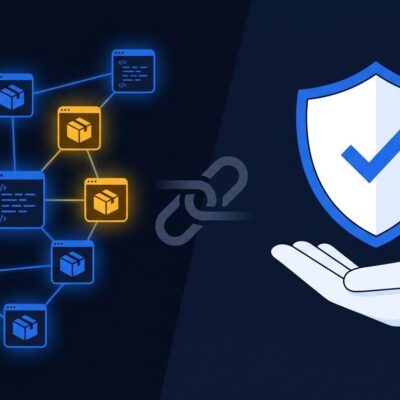
The adoption sprint created predictable casualties: security and enterprise readiness. According to CSO Online’s security analysis, MCP’s protocol specification mandates session identifiers in URLs—a direct violation of established security practices—and lacks required message signing or verification mechanisms. Malicious or compromised MCP servers can feed agents tainted context without detection, similar to browser extension “rug pulls.”
The pattern is familiar: rapid adoption outpacing security maturity. Large enterprises have resources for proper implementations. Small and mid-sized businesses cut corners, rely on insecure defaults, and amplify ecosystem risk. Security researchers describe MCP as “a protocol assembled in days, adopted in months, deployed across tens of thousands of servers worldwide.” The exciting work, according to one enterprise architect, is “about exposing enterprise APIs safely, not model capabilities.”
Recommended mitigations exist—verified servers only, supply chain controls like cryptographic signing and version pinning, human-in-the-loop approval for critical actions, enterprise SSO integration—but adoption velocity makes implementation optional until the first major breach forces the issue.
What Linux Foundation Governance Changes
The Agentic AI Foundation provides neutral stewardship instead of single-vendor control. For enterprises evaluating MCP, this move answers the “what if Anthropic pivots or gets acquired?” concern. Multi-vendor development under proven governance (Linux Foundation hosts Kubernetes, Node.js, GraphQL) reduces lock-in risk and signals long-term stability.
But let’s be clear about what didn’t change: project maintainers still prioritize community input, development velocity continues, and the same security gaps remain. Governance legitimizes the win; it doesn’t create a level playing field when one protocol already has 10,000 deployed servers and universal platform adoption.
Why OpenAI Co-Founded a Rival’s Foundation
OpenAI’s participation in AAIF reveals more than press releases admit. The company has competing approaches—function calling, ChatGPT plugins—yet contributed “AGENTS.md” as an inaugural AAIF project alongside MCP. This isn’t magnanimous open-source cooperation. It’s strategic damage control.
When network effects become undeniable (ChatGPT itself adopted MCP despite OpenAI’s alternatives), fighting the standard fragments the ecosystem and creates worse outcomes for everyone. Better to influence governance than oppose adoption. The competitive shift is clear: compete on implementation quality and agent capabilities, not protocols. Similar to OpenAI leading the WebGPU working group despite Chrome’s dominance—when competitors unite behind a single standard, the market has already decided.
The open governance narrative sounds noble, but it’s corporate realism dressed up as collaboration. MCP won before the foundation existed. Linux Foundation stewardship is legitimizing that victory, not preventing vendor capture.
What Developers Need to Know
If you’re building AI agents, use MCP or have compelling technical reasons documented in writing. MCP support shifted from differentiator to table stakes in 2025. Gartner predicts that by 2026, 75% of API gateway vendors and 50% of iPaaS vendors will support MCP. The standardization of the agentic web is happening faster than web standards themselves evolved.
According to GitHub’s analysis, hundreds of thousands of developers are operationalizing AI agents, making standardized tool invocation as important as the models themselves. The question for enterprise platforms isn’t whether to support MCP—it’s how secure their implementation is.
The protocol war is over. The security battle just started. And the governance theater, while reassuring for enterprise procurement, doesn’t change the technical reality: MCP became infrastructure before anyone agreed on who should control it.