 By ByteBot
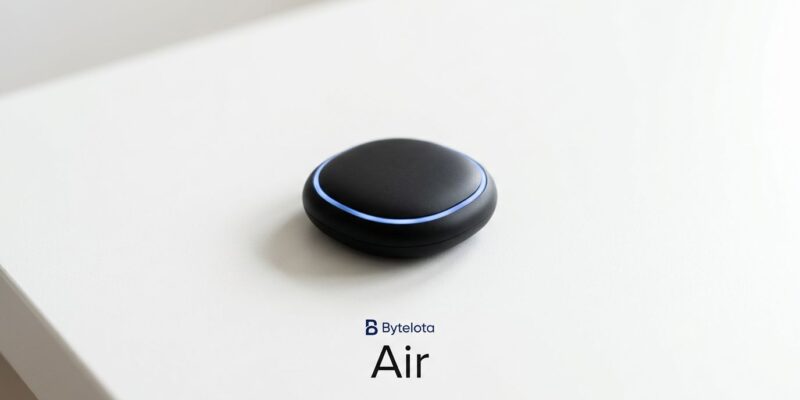
Google launched Fitbit Air on May 7, 2026, a $99 screenless wearable that directly challenges Whoop’s 11-year monopoly on distraction-free fitness tracking. At $99 one-time versus Whoop’s $200-360/year subscription, Fitbit Air delivers 24/7 heart rate monitoring, HRV tracking, sleep analysis, and FDA-cleared AFib alerts in a 12-gram device that’s 25-50% smaller than previous Fitbits. Whoop responded hours later with a hastily written Reddit post announcing vague future features, signaling Google struck a nerve in the screenless wearable market.
The $99 Price Tag Changes Everything
Fitbit Air costs $99.99 with three months of Google Health Premium included. Compare that to Whoop’s subscription model: $199/year for the base One tier, $239/year for Peak, or $359/year for Life with advanced cardiovascular monitoring. The math is brutal for Whoop. A Fitbit Air buyer pays once and owns core tracking forever. A Whoop user pays $200+ every single year just to keep using the device.
Google Health Premium costs $9.99/month if you want AI-powered coaching after the trial ends, but it’s optional. Whoop’s subscription isn’t. You can’t buy a Whoop device without committing to 12 months minimum. Fitbit Air removes that barrier entirely, opening screenless wearables to consumers who balked at Whoop’s recurring fees.
Whoop’s Defensive Response
Hours after Google’s announcement, Whoop’s CEO posted a hastily written announcement on Reddit detailing vague future features, including on-demand video consultations with clinicians. He followed it with a vertical video on social media. The timing wasn’t subtle. After dominating screenless wearables since 2015 without serious competition, Whoop suddenly faced a rival with Google’s manufacturing scale, brand recognition, and aggressive pricing strategy.
DC Rainmaker, a fitness tech expert, noted: “The Fitbit Air has unquestionably put Whoop quickly on the defensive.” Competitors don’t panic over non-threats. Whoop’s reaction confirms Fitbit Air is a genuine challenge to their $10 billion business.
Feature Parity at One-Third the Cost
Fitbit Air matches Whoop’s core capabilities: 24/7 heart rate monitoring, heart rate variability (HRV), sleep stage tracking, SpO2 monitoring, and FDA-cleared AFib alerts. The device weighs 12 grams compared to Whoop’s ~30 grams, making it 60% lighter for genuinely comfortable 24/7 wear during sleep, work, and exercise. Battery life hits one week with a 5-minute charge providing an extra day and a full charge taking 90 minutes.
Whoop 5.0 counters with 14-day battery life and more established recovery algorithms built over 11 years. The Peak and Life tiers offer deeper coaching and biomarker analysis that Fitbit Air doesn’t match yet. But for consumers prioritizing core health metrics over elite athlete optimization, Fitbit Air delivers 90% of Whoop’s functionality at one-third the annual cost.
Why Screenless Matters
Screenless wearables represent a philosophy: continuous health monitoring without screen distractions. Whoop pioneered this in 2015, arguing that smartwatch screens encourage compulsive checking that breaks focus and disrupts sleep. The device tracks passively. You check insights later in the app, not every time your wrist buzzes.
The market validates this approach. Smart rings and screenless trackers now account for 75% of fitness tracker revenue, up from 46% one year prior. Consumers under 34 are nearly twice as likely to buy screenless or ring trackers versus traditional smartwatches. The “analog era” movement reflects growing demand for distraction-free technology that works in the background.
Fitbit Air follows this design: no screen, just a status light and double-tap gesture controls. All data lives in Google’s Health app, which replaces the Fitbit app on May 19, 2026. You wear the tracker, live your life, and review metrics when convenient instead of responding to constant notifications.
Who Wins
The market expands rather than consolidates. Fitbit Air brings screenless wearables to mainstream consumers who want basic health tracking without Whoop’s $200+/year commitment. Price-sensitive buyers, Google ecosystem users, and casual fitness enthusiasts will choose Fitbit Air. Serious athletes focused on recovery optimization, established Whoop users loyal to the brand’s coaching depth, and those willing to pay for premium features will stick with Whoop.
Whoop retains its positioning as the elite choice for dedicated athletes. Fitbit Air becomes the accessible option for everyone else. Google’s entry validates screenless wearables as a mass-market category rather than an elite niche. And Whoop isn’t the only company watching nervously—Garmin is reportedly developing its own subscription-free Whoop competitor called “Cirqa” for summer 2026.
After 11 years of monopolizing screenless fitness tracking, Whoop’s dominance officially ends. The company will need to justify its premium pricing with deeper features, better coaching, or price cuts. Google just made screenless wearables accessible to millions who couldn’t stomach Whoop’s subscription model. That’s a market expansion, not a zero-sum fight. But Whoop’s hasty defensive response suggests they’re worried about what happens next.